What Offer Amount Should the Taxpayer Indicate in an Offer When There Is Doubt as to Liability?

What is Offer in Compromise

and is it correct for your client?

What is Offer in Compromise?

Anoffering in compromise (OIC) is an choice offered by the IRS that allows a taxpayer to settle their debt for less than what is actually owed. This option is great for a taxpayer because it gives them a fresh showtime with the IRS, simply the ultimate goal of an offer in compromise is to come to a legal understanding for payment that's in the best interest of both the taxpayer and the IRS.

The iii grounds for submitting an offer in compromise are incertitude equally to collectibility, doubt as to liability, and constructive tax administration. We'll discuss these in more item in a moment, only here are the basic definitions and differences:

  • Incertitude every bit to collectibility is when the taxpayer is financially unable to pay their total revenue enhancement debt.
  • Doubtfulness as to liability is when the tax debt has been assessed in error or the corporeality of debt assessed is incorrect.
  • Effective tax administration is when the taxpayer is able to pay their debt but paying the full amount would either cause economic hardship or would exist considered unfair because of infrequent circumstances.

Offer in Compromise Ebook

Free Ebook: Offering in Compromise, BasicsandApplications

Even in an industry where numbers are everything, it's difficult to quantify something like satisfaction. However, in that location is an well-nigh universal agreement among tax professionals that tax resolution piece of work.

Download Guide

Is Offer in Compromise Right for Your Client?

The IRS created the offer in compromise program because many taxpayers cannot pay their tax liability without causing themselves financial hardship. In 2016 alone, the IRS accepted 27,000 offers, amounting to $225.9 million. They also rejected 36,000 offers. So how do you lot know ifoffering in compromise is correct for your client?

If you lot want to become your offer accepted by the IRS, you must demonstrate that your customer cannot pay the full taxation debt owed, that the revenue enhancement is not really owed, or that another unique situation applies where an offer is in the all-time interest of both your client and the IRS (run into IRM v.viii.11.1). As a full general rule, the IRS is probable to approve offers when they represent the virtually money the IRS tin can look to collect inside a reasonable time period.

"In 2016 alone, the IRS accepted 27,000 offers, amounting to $225.9 million."

The first thing to look at when evaluating whether or not your client is a practiced fit for an OIC is the eligibility requirements.

In gild to exist eligible for an offer in compromise, your client must:

  • Have filed all tax returns
  • Have received a bill for at to the lowest degree ane tax debt included on their offer
  • Make all required estimated tax payments for the current year
  • Make all required federal tax deposits for the electric current quarter (if they are a business possessor with employees)

Across eligibility, the IRS will consider the post-obit when determining financial hardship of your customer:

  • Income
  • Expenses
  • Nugget disinterestedness
  • Lifestyle

Keep in heed, while certain qualifications and requirements are set in rock, the Revenue Officeholder reviewing your customer's case will look take into business relationship all aspects of your client'south situation. Your client's lifestyle will play a huge factor in whether or not the officeholder recommends them for an OIC. If you claim that your client can't pay their full tax debt but they drive make new Range Rover and ain a $2 million house, they're likely non a proficient candidate for a doubt ast to collectability OIC.

The IRS collects most of their data near your client's fiscal situation using Grade 433-A, simply the rest of the information is gathered through investigation. If yous are able to justify your client'due south abnormally high cost of living due to special circumstances, the officer volition take that into consideration (unremarkably via effective tax administration). Simply because your client has disinterestedness in their firm or vehicle doesn't necessarily mean the IRS expects them to sell those things to pay their debt.

However, if your client is living a high-end lifestyle and wants to make lifestyle adjustments more gradually (rather than abruptly with offer in compromise), you may desire to await into installment agreements and pay detail attention to the Half dozen-Year Rule in combination with the One-Yr Rule (IRM 5.fourteen.1.4.one).

I last thought to keep in heed in regard to your client'southward ability to pay: while an offer in compromise is existence reviewed (a process that can concluding several months), your client's income and assets will exist under ongoing review to make sure that at no signal they become able to pay their tax debt.

Who Volition Not Qualify for Offer in Compromise?

Many of your clients will want to try for an offering in compromise because of how significantly it can decrease the amount of taxation debt they owe. However, not everyone is eligible, even if they take a large corporeality of debt.

The IRS will not take an offer in compromise for a taxpayer who:

  • Has unfiled revenue enhancement returns
  • Has a history of not paying their taxes
  • Has deliberately avoided revenue enhancement payment
  • Is a revenue enhancement protester
  • Is in an open up bankruptcy proceeding (or has a business organization in an open up bankruptcy proceeding)
  • Has had their revenue enhancement liabilities in question referred to the Section of Justice

As of March 2017, the IRS immediately returns any offer in compromise applications from taxpayers with outstanding returns.

Additionally, the IRS volition generally not accept offers from a taxpayer who can pay their debt in total or through an installment agreement.

Types of OIC:

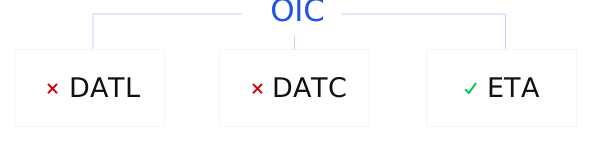
Dubiety as to Collectibility, Doubt as to Liability, and Effective Taxation Administration

Doubtfulness as to Collectibility: When the Taxpayer Can't Pay

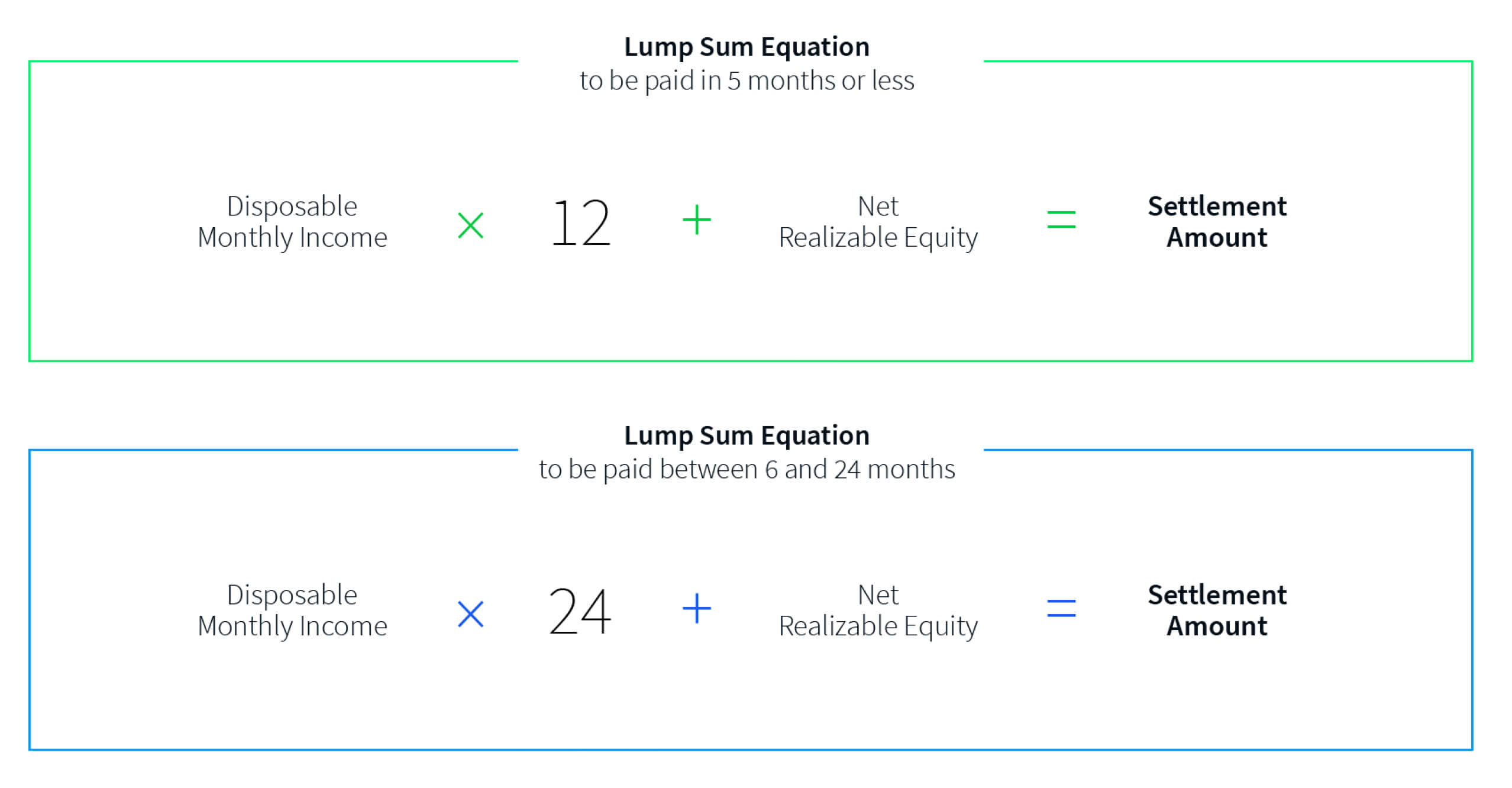
On the surface, a doubt as to collectibility offering in compromise looks fairly straightforward. The amount you offer is the product of a simple equation:

Offer in Compromise Equation

But the technical numbers that go into an OIC offer calculation are just half of the story (if you're interested in a more technical treatment of OICs, you lot should check out our OIC ebook hither). When the IRS considers an OIC, they don't cease at the surface-level information you put on Form 433. They likewise scrutinize every slice of supporting documentation they can get their hands on—banking company records, credit card statements, holding valuations, medical records, and anything else that might be relevant.

The IRS goes through all of this documentation line by line looking for anything that contradicts the story your offer tells. When they practise find a discrepancy, it throws up a blood-red flag. A unmarried discrepancy won't necessarily sink your offer, but it does put the IRS on alert. One time a red flag pops upwards, they're going to scrutinize your offering and documentation that much more, which only makes your job more difficult.

So let'southward expect at two examples of real cases that got flagged during my fourth dimension at the IRS, and how you can help your OIC clients avert the aforementioned mistakes.

The Case of the Mysteriously Undervalued Business firm

I remember working one instance in conjunction with the Department of Justice where the individual owed about $150,000. 1 of the assets they reported was a home worth $1.6 one thousand thousand, verified past a realtor's valuation. However, later a little earthworks on our part, information technology became apparent that the valuation report from the realtor was incomplete. The written report didn't even list basic things like the number of bedrooms and bath in the abode. With a piddling more digging, we were able to more accurately value the house at $2 million, changing the individual'southward net realizable equity (NRE)—and therefore his ability to pay his taxes—substantially.

I assume that no one reading this would intentionally misreport the value of their client's belongings. However, that'south not the only way a mistake similar this happens. A domicile's value could easily be under-reported (or even over-reported) considering of a lazy or uninformed valuation by a realtor. Similarly, an online tool such equally a Zillow "Zestimate" may provide inaccurate assessments in rural areas with limited market place information or in markets that are fluctuating significantly.

If it is reasonable under the circumstances, your very all-time choice is a three-step procedure:

  • Obtain a home valuation from a trusted realtor
  • Verify that valuation with an online tool
  • Submit both documents to support the numbers you put on the 433

Of form, this sort of double-documentation may not e'er be reasonable—or even possible. Fifty-fifty just a "Zestimate" can work as acceptable documentation for the value of your customer'south house if the value doesn't vary unreasonably from comparable homes in the area. Recollect, your job is to convince the IRS that the numbers yous put on the 433—your client's NRE in this case—are as accurate as possible.

The Case of the Very Expensive Steaks

I worked some other case every bit a Revenue Officer where the taxpayer claimed that they couldn't pay their tax debt, in function, for medical reasons. The taxpayer had a cardiac condition that had led to a heart attack, and treating that condition was expensive.

On the surface, information technology seemed to exist a compelling example. If everything was every bit this taxpayer claimed, the additional medical costs would have left him with little to no dispensable monthly income. With no disposable monthly income, this OIC would very likely accept been accepted and the taxpayer'due south debt settled.

"One of the mantras that was repeated often during my time at the IRS seems relevant here: the IRS isn't a bank. They don't fund lifestyles, they collect taxes."

Of course, at that place was more than to the story. After going through several months' worth of this taxpayer's banking concern and credit card statements, it became articulate that they had more disposable monthly income than they claimed. In fact, the statements revealed that the individual was spending about $300 per week at a high-cease steakhouse.

Ane of the mantras thatwasrepeated ofttimes during my time at the IRS seems relevant hither: the IRS isn't a banking company. They don't fund lifestyles, they collect taxes. In this case, the private'due south medical condition was indeed legitimate and his additional medical expenses were taken into consideration. His extravagant dining habits were not, and the offer had to be amended to a higher corporeality equally a issue.

This example is a clear illustration of how of import it is to know how the IRS evaluates OIC cases.Obviouslyit's difficult to know exactly why tax pros brand the decisions they practice when preparing their offers, but I would say roughly half of all offers I recommended for rejection failed because the tax pro didn't have a articulate understanding of how the IRS evaluates offers. When you know what kind of information the IRS is looking for and where they expect for it, you can arm yourself with the aforementioned data showtime and prepare for success.

Uncertainty as to Liability: When the IRS Gets Information technology Wrong

The concept behind a doubt equally to liability offering in compromise isn't complicated: is the tax debt assessed to the taxpayer legitimate or non? If the tax has somehow been assessed in error, then a DATL offer is likely the best course of activity for your client.

For instance, I remember one particular case involving a taxpayer who owned a motorcycle and ATV shop. This taxpayer had transitioned their concern from a sole proprietorship to an LLC midway through the year and paid taxes accordingly. However, the IRS assessed taxes on the LLC for the entire yr in an audit—essentially double dipping on taxes for 6 months. The revenue enhancement had clearly been assessed in error, a perfect example of when a DATL will exist effective. The taxation pro submitted an offer with details showing the business transition, and the offer was accepted.

"If you lot can bear witness that the IRS didn't appraise your client'due south revenue enhancement past the book, y'all tin can make a good case for a DATL OIC."

And then when you're going over a customer'southward case, brand certain the tax was assessed correctly. Did the IRS follow all the right procedures when assessing the tax? Did they assess the tax within the assessment statute of limitations? Maybe the IRS assessed a trust fund tax against a person who didn't meet the criteria of willfulness or responsibility. If you tin can show that the IRS didn't assess your customer's taxation by the book, you tin can brand a good case for a DATL OIC.

ETA: Good PR and Everyone'southward Happy

Effective tax administration isn't as easy to define every bit either doubt as to liability or doubtfulness equally to collectibility. That'due south because ETA cases are the "everything else" category of the OIC world and tin can just be considered once DATL and DATC accept been ruled out every bit options.

structure-gfx

In other words, ETA is for those unique cases when the taxation has been assessed correctly and the taxpayer tin technically beget to pay, but there'due south still a adept reason why they shouldn't.

Only why would the IRS ever accept an offering if the taxpayer can afford to pay and the tax was assessed correctly?

Well first, because Congress told them to. As a part of the IRS Restructuring and Reform Act of 1998, Congress instructed the Service to consider policies that encourage taxpayers to comply with the taxation laws because "they believe the laws to exist fair and equitable" (IRM five.8.11.1). Essentially, Congress believed that more people would be willing to pay their taxes if they saw that the IRS is able to brand exceptions in extreme circumstances.

Simply likewise considering perception matters to the IRS. They know they're non liked—that's an unavoidable byproduct of the job they do. They don't desire to make their perpetual PR problem worse than it already is. Ane piece of communication I heard ofttimes during my fourth dimension at the IRS was, "Don't do anything that would land you on the front end page of the paper." Put plain, the IRS isn't going to seize the house of the xc-year-quondam woman living on Social Security. That's bad for everyone involved.

Then that's the driving principle behind an ETA OIC: what outcome is going to expect good for anybody involved?

Allow me requite you some other instance. I worked a instance involving a taxpayer who made a living running a daycare. They owed dorsum taxes and were facing the possibility of having their home and bank accounts seized if they didn't cooperate. Also, this taxpayer recently lost both artillery, had been hospitalized for months, and was lucky to be live. The taxpayer technically had the means to pay their tax debt. Yet, their offer showed clearly that, because of circumstances beyond their control, fulfilling their tax obligation would cause meaning hardship.

In this case, what looks good for everyone? The taxpayer'south offer was accepted, and their IRS debt was one less affair they had to worry about.

Common OIC Form Mistakes

(and How to Avoid Them)

During my time as a Acquirement Officer at the IRS, I saw a lot of niggling mistakes on OIC forms that had large impacts on cases. Sometimes these mistakes would simply cause confusion and stall the case until the fault could be clarified. Sometimes the mistakes were enough to get the offer rejected outright. Either result is time-consuming and costly for both you and your clients. Let's go over a few of these simple mistakes, why they matter, and the easiest way you can make certain they don't happen to yous.

Who Will Non Authorize for Offer in Compromise?

  • Bad Math
    Y'all probably wouldn't await this, but I saw a lot of bad math from tax pros during my time at the IRS. Not because CPAs and EAs are bad at math, just because perfectly filling out a form 433 is hard. It requires juggling dozens of circuitous numbers and figures, not to mention all the explanations and supporting documentation that accompany the numbers. It'southward no wonder the brawl gets dropped sometimes.

    Unfortunately, when that ball does get dropped—a quick-sale value is calculated incorrectly, or an expense is included in the wrong calculation—the whole OIC process has to come up to a screeching halt until the error is sorted out.

  • Blank Spaces
    When I saw an empty field on a 433 or 656 (something I saw far too frequently), there was no way for me to know why the practitioner had left information technology blank. Was information technology blank considering it didn't use to the taxpayer? Considering they didn't understand how to reply? Or was I missing data crucial to the case and the taxation pro made a unproblematic mistake? I had to know the answer earlier I could proceed with my recommendation on the offer. It'due south a shame that something so small tin can hold up such an of import decision, but I saw it happen often.
  • Negative Equity
    This is some other mistake I saw frequently: when a taxpayer's property was worth less than they owed on it, the preparer would often subtract that negative equity from the taxpayer'southward net realizable equity (NRE). You tin can't practise that, helpful as it may seem to your client's case. Any asset with negative disinterestedness should have a reported disinterestedness of zero.


The Best Mode to Fill up Out OIC Forms

There are a couple means yous tin can go about making certain these kinds of mistakes don't happen on your offers. Yous could hire someone to obsessively pour over every facet of your return, recalculate always calculation and double bank check every grade field for accuracy. You certainly don't accept time to do every offer twice.

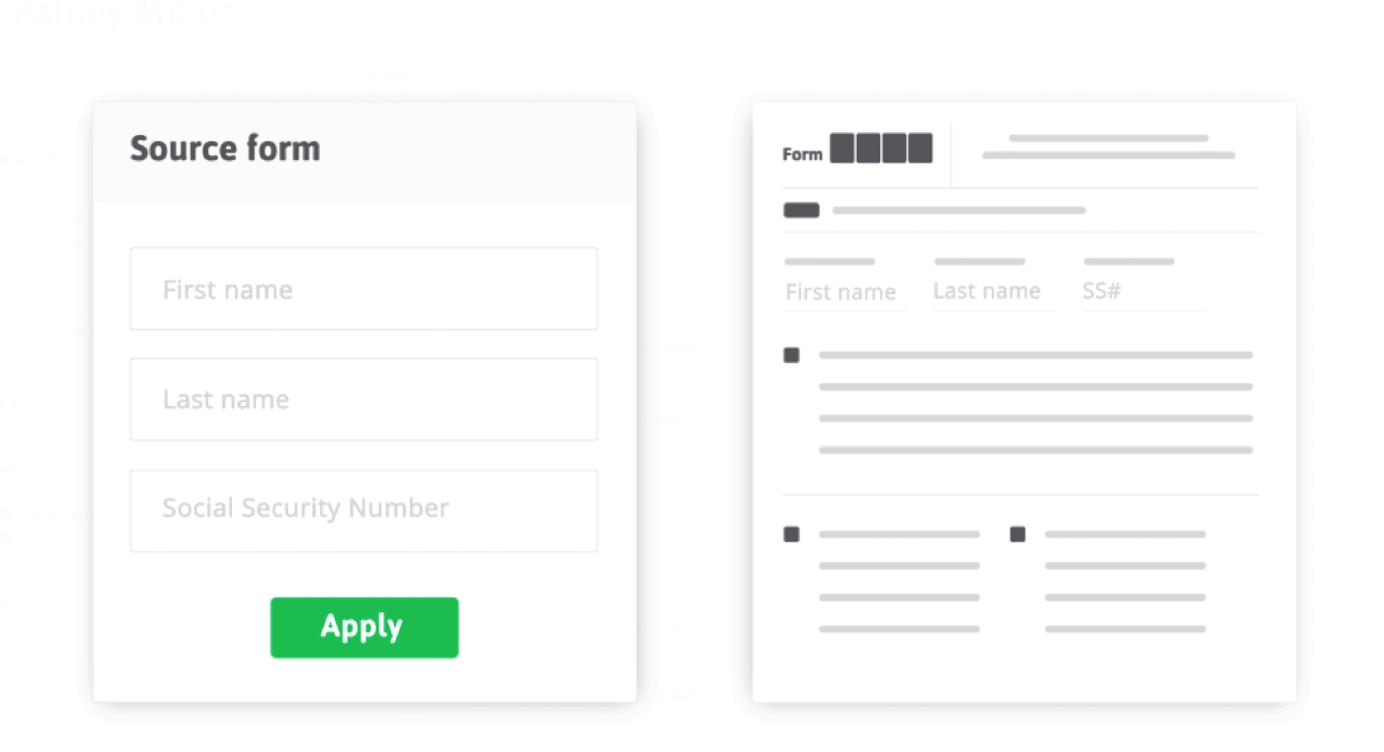
Or you can use tax resolution software to practise all that for yous. I can't speak specifically to other revenue enhancement resolution software, but I know that Awning solves each of the problems I've outlined hither.  When yous use Canopy to prepare your OIC, our software does all of the computing for y'all, brand sure yous don't go out whatever blank fields, and helps you comply with IRS standards. Non simply does that relieve you time, it besides helps make your offer equally fault-costless as possible. That ways fewer hangups and less lost time.

Offer in Compromise Form Software

Simply as importantly, Canopy frees you upward to worry about more important things than exactly how to comply with every nuanced IRS standard. How you spend that time—edifice client relationships, growing your practice, or perfecting your golf swing—is upwardly to yous.
What To Do If Your OIC
Was Rejected

By now we've discussed several aspects ofofferin compromise: which clients brand good candidates, real reasons your client'due south case would get flagged, how Canopy can help you avoid mistakes, etc. Only what if your customer's offer gets rejected? What do you do then? Fortunately, you accept options.

If you're non confident that your client has practiced grounds for an appeal, you lot can look into alternative methods of tax resolution. If you lot still think offer in compromise is your client's all-time option and you believe that y'all can brand a strong case for acceptance, you tin can request an entreatment.

Why Your Client's OIC May Have Been Rejected

When we rejected an offering at the IRS, many rejections fell into a few common categories. Mutual reasons for rejection include the post-obit.

  • Collectibility
    This is the nigh common reason an offer is rejected. If your client's offer is rejected on the basis of collectibility, it means the IRS views the offer corporeality equally as well depression based on your client'due south income and ability to pay. The IRS will use Grade 433-A and other documentation to determine your customer's fiscal condition. Continue in mind, the IRS considers potential earning chapters when considering an offer, non just current incomeandfinancial hardship.
  • Additional Revenue enhancement Debt
    After y'all submit your client'south offering, your client must stay in compliance with the IRS. If they continue to accrue tax debt by not paying estimated tax payments, the IRS will assume that your client isn't likely to comply with the potential offer in compromise. Yous should help keep your clients responsible and on track.
  • Frivolous OIC
    A frivolous offer is one that is submitted solely for the purpose of delaying drove. Your client may want to buy themselves time, but the IRS will reject this type of offering immediately. As the tax professional, y'all need to weed these out. The IRS will know if an OIC is frivolous past cerise flags such equally if your client shows the ability to pay a certain amount of debt but the offer is fabricated for significantly less than that amount (without extenuating circumstances). As a Revenue Officer, I learned to quickly recognize which practitioners were responsible and which were likely to send in frivolous offers.

    Additionally, while submitting an offer does filibuster collection, it also freezes the statute of limitations for the fourth dimension the offer is existence considered plus adds 30 days. It's actually not in your client's all-time involvement to submit a frivolous offer.

  • Failure to Pay
    In some cases, a previously accepted OIC can exist retroactively rejected due to failure to pay. If your client'southward offer is accepted, they must file and pay their taxes in a timely manner for the next five years. If they do not, the OIC can be removed and the total tax debt volition exist reinstated.

Call up, an offer beingness returned is not the same thing every bit it being rejected. An offer is returned when the taxpayer didn't submit necessary information, filed for defalcation, failed to include required application fees, hasn't filed required returns, or hasn't paid current tax liabilities. You can't entreatment a returned offer, but in one case the offer is updated it can be submitted again.

The All-time Way to Fill Out OIC Forms

Now that nosotros've gone over why your client's offer may be rejected, let's talk virtually what to practise with a rejection. If your client'south offer is rejected, they volition receive a alphabetic character from the IRS in the postal service. In that letter, they will find the reason for rejection, as well as instructions for how they can appeal the decision.

Urge your clients to open any mail from the IRS immediately. The IRS will provide detailed instructions for actions going forward, but there's a limited time frame for taking those deportment. Your client must submit an entreatment to the Function of Appeals within 30 days of the date on the letter.

These are the grounds for requesting an appeal as stated on the IRS website:

  • You lot believe the IRS fabricated an incorrect decision based on a misinterpretation of the law.
  • You lot believe the IRS did not properly utilise the law due to a misunderstanding of the facts.
  • You believe the IRS is taking inappropriate collection action confronting your customer, or your offering in compromise was denied and you disagree with that conclusion.
  • Y'all believe the facts used by the IRS are incorrect.

If you lot decide that at that place are grounds for an entreatment, y'all'll demand to submit Form 13711, "Request for Entreatment of Offer in Compromise." This class should address the problems that were raised in the rejection letter, and your client volition likely need to provide additional documentation.

Negotiating an Entreatment

To fence any of the grounds for appeal y'all need to exist prepared to support your position with records, evidence, and procedures. An appeal is essentially a give-and-take between the Appeals Officer and y'all on behalf of your customer, and all appeals decisions are final. If you lot want to win an appeal yous have to justify your client's position by referencing your documentation and tying it together with the IRM, IRC, and court decisions correctly.

Keep in mind, ex parte communications are prohibited in the IRS which means an Appeals Officer cannot talk about your client'southward example with the Offering Specialist who rejected it. Because of the unbiased nature of Appeals Officers, you can make your original case to them if you believe yous have already included sufficient prove. If your client's offering was rejected based on lack of evidence, you lot'll want to strengthen your case before sending information technology to Appeals. If y'all've already exhausted IRM and IRC references, try using case law.

Additionally, it can be effective to play to the emotional side of the argument—Appeals Officers are human afterward all—only it should be the "red on peak" of your argument, not the basis. During my time at the IRS, I never lost an entreatment hearing because I rooted my arguments in the IRM and IRC, and you can expect other IRS officers to do the same.

As I mentioned at the beginning of this commodity, the IRS rejected 36,000 offers in 2016. While the acceptance rate for offers in compromise has increased from 25 per centum in 2010 to around 42 per centum in 2016, there's still a good take a chance your customer'south offer will not be accustomed. Again, the all-time thing to practise to increase your chances of success is to be sure you can back up the foundation for your client'southward case in facts and IRM references. I tin can't emphasize the importance of using the IRM to support your claims enough.

hallshinglew.blogspot.com

Source: https://www.getcanopy.com/offer-in-compromise-guide

0 Response to "What Offer Amount Should the Taxpayer Indicate in an Offer When There Is Doubt as to Liability?"

Post a Comment

Iklan Atas Artikel

Iklan Tengah Artikel 1

Iklan Tengah Artikel 2

Iklan Bawah Artikel